
2 Oct 2026
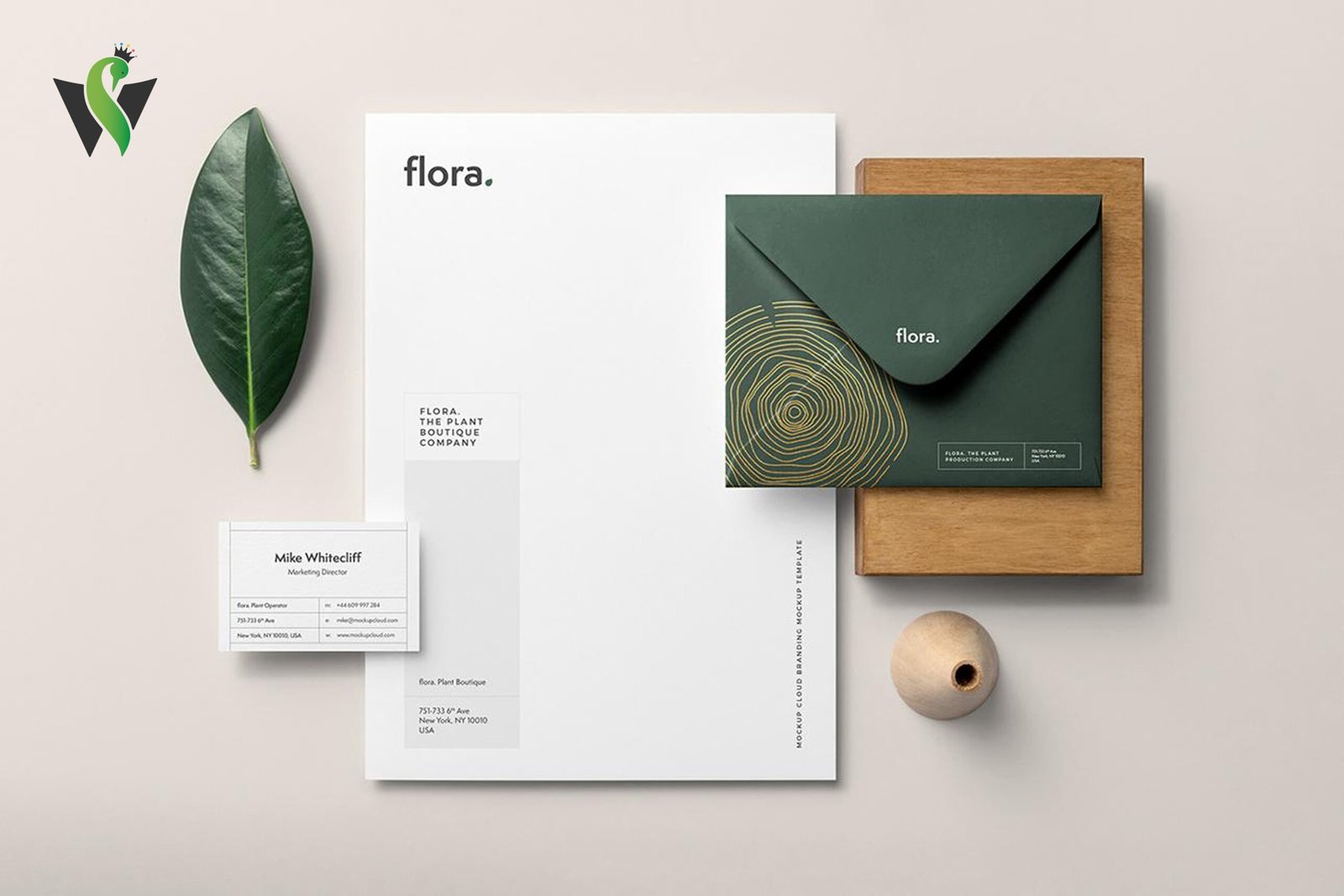
Why Branding Is Important for Business in 2026
Why branding is important for business is a question every business owner should understand before investing in marketing and design. Branding helps businesses build recognition, communicate their value, establish a consistent identity, and create memorable customer experiences. Whether you run a small business, manage an established company, or launch a new startup, a strong brand can help you stand out in a competitive market.
Many business owners believe branding is simply about creating a logo and choosing a few colors. In reality, effective branding includes your visual identity, messaging, brand personality, and the experience customers have when interacting with your business.
In this guide, you’ll discover why branding matters, the essential elements of a strong brand, and practical steps to build a consistent identity for your business.

1. What Is Branding, Really?
Branding is the process of shaping how a business presents itself and how it wants to be understood by its audience.
It involves defining what makes your business different, communicating that difference clearly, and creating a consistent experience across the places where customers interact with you.
A brand is not simply the name printed on your business card. It is the broader identity associated with your business.
Consider a local bakery. Its brand might be reflected in its name, logo, packaging, menu design, storefront, social media posts, product presentation, and the way staff communicate with customers.
When these elements work together, they help create a recognizable identity.
Branding commonly involves several connected elements:
- Brand strategy: Defines your audience, positioning, values, personality, and what distinguishes your business.
- Visual identity: Includes your logo, colors, typography, imagery, and other visual elements.
- Brand messaging: Communicates what you offer, why it matters, and how you want customers to understand your business.
- Brand voice: Establishes the tone and style you use in your website copy, advertisements, emails, and customer communications.
- Customer experience: Reflects how people interact with your business, from their first impression to their experience after purchasing.
These elements should support one another.
A premium visual identity, for example, should be accompanied by communication and customer experiences that reflect the expectations it creates.
The goal is not simply to make your business look attractive. It is to communicate a clear, relevant, and consistent identity.
2. Why Branding Matters for Every Business
Branding is not limited to large corporations with substantial marketing budgets. Businesses of different sizes and industries can benefit from developing a clear identity.
It Helps People Recognize Your Business
Recognition makes it easier for customers to identify your business when they encounter it again.
Consistent use of your logo, colors, typography, photography, and messaging can help create visual familiarity across your website, social media profiles, packaging, advertisements, and printed materials.
For example, a clothing brand that uses the same visual identity on its website, product labels, shopping bags, and social media creates a more consistent presentation than one that changes its appearance from one channel to another without a clear reason.
Recognition generally develops through repeated exposure and experience. A logo alone cannot guarantee that people will remember your business, but a coherent identity gives them consistent visual and verbal cues to associate with it.
It Helps Communicate Your Business’s Value

Customers need to understand what your business offers and why it might be relevant to them.
Your branding can communicate this through your positioning, messaging, design, and the way you present your products or services.
For example, a technology company serving enterprise clients may emphasize reliability, clarity, and technical expertise. A creative studio may communicate originality through expressive visuals and a distinctive voice.
The identity should reflect the actual business and its audience rather than imitate another company’s appearance.
When customers can understand what you offer and who you serve, they have a clearer basis for deciding whether your business meets their needs.
It Helps Your Business Stand Out
Most industries contain businesses offering similar products or services. Branding gives you an opportunity to explain what distinguishes your business beyond price alone.
Your difference might involve specialized expertise, a particular customer experience, product quality, convenience, a unique approach, or the audience you serve.
Imagine two accounting firms. One communicates only that it offers accounting services. The other clearly explains that it specializes in helping small businesses manage financial reporting and understand their obligations.
The second firm has communicated a more specific position for potential customers to evaluate.
Strong branding makes that positioning visible and understandable. It does not require exaggerated claims or complicated design. Often, clarity about who you serve and how you help is more useful than trying to appeal to everyone.
3. How Branding Can Support Customer Trust
Before choosing a business, people often look for information that helps them assess its reliability and suitability.
A consistent, professional presentation can make it easier for customers to understand your business and evaluate what you offer.
Consider a company that maintains a well-organized website, uses consistent branding in its proposals, explains its services clearly, and communicates professionally with customers.
These elements work together to create a coherent impression.
By contrast, inconsistent information, outdated visuals, unclear messaging, or promises that do not match the actual experience may create uncertainty.
However, branding should not be confused with proof of quality. Attractive visuals cannot replace reliable products, honest communication, transparent policies, or good customer service.
Trust develops through what a business communicates and what it actually delivers.
Your brand should establish appropriate expectations and help you meet them consistently.
4. What Happens When Your Business Has No Clear Branding?
A business can operate without a formal branding strategy, particularly in its early stages. But as it grows, the absence of clear guidelines can create avoidable challenges.
Inconsistent Visual Identity
Different logos, unrelated colors, changing typography, and mismatched design styles can make your business appear disconnected across platforms.
For instance, if your website uses one visual style while your proposals and social media use several unrelated styles, customers may find it harder to associate those materials with the same business.
Unclear Business Positioning
If your messaging changes constantly or your business tries to communicate everything to everyone, potential customers may struggle to understand what makes you relevant.
Clear positioning helps explain what you do, who you serve, and what distinguishes your approach.
Difficulty Building Recognition
When your identity changes frequently without a clear strategy, it can become harder to establish familiarity with your audience.
A recognizable identity gives customers consistent elements to associate with your business over time.
More Complicated Marketing
Without basic brand guidelines, creating social media posts, advertisements, presentations, and website pages can become unnecessarily difficult.
Team members may use different fonts, colors, writing styles, or logo versions. Clear guidelines help make these activities more consistent and efficient.
These challenges do not mean every business needs an expensive rebrand. Sometimes, a defined color palette, typography system, messaging guide, and consistent logo usage are enough to establish a stronger foundation.

5. The Essential Elements of Strong Branding
A successful branding process considers the business as a whole. Each element should serve a purpose and work with the others.
Brand Strategy and Positioning
Before designing a logo, clarify the fundamentals of your business.
Ask yourself:
- Who are your ideal customers?
- What problems do you help them solve?
- What makes your products or services different?
- What qualities should people associate with your business?
- How do you want to be positioned within your industry?
These answers help guide decisions about visual identity, messaging, and customer experience.
Logo Design
Your logo is a recognizable visual identifier for your business. It may be a wordmark, symbol, combination mark, or another suitable design.
A good logo should fit your brand, work across relevant applications, and remain usable at different sizes.
It does not need to explain every service your business provides. Its purpose is to identify your brand, while other elements communicate the wider story.
Color Palette and Typography
Colors and typography influence the overall appearance and readability of your brand.
A defined palette and typography system help maintain consistency across digital and printed materials.
For example, a business might choose a restrained color palette and clear typography to support a professional, understated identity. Another might use brighter colors to reflect an energetic personality.
These decisions should be based on your audience, positioning, practical requirements, and the identity you want to establish, rather than following trends without a clear reason.
Brand Voice and Messaging
Your written communication is also part of your brand.
Decide whether your business should sound formal, conversational, technical, friendly, or authoritative. The appropriate voice depends on your audience and industry.
Use that voice consistently in website content, social media captions, email communication, proposals, and marketing materials.
Your messaging should make it easy for customers to understand what you offer and what they can expect.
Brand Guidelines
Brand guidelines document how your identity should be used.
They may specify logo variations, spacing, minimum sizes, colors, typography, imagery, tone of voice, and examples of correct and incorrect applications.
These guidelines are especially helpful when multiple people create content or when your business works with designers, developers, printers, and marketing teams.
They provide a shared reference that helps preserve consistency as your business grows.

6. Why Small Businesses and Startups Need Branding Too
Some small business owners assume branding is something to invest in only after their company becomes successful.
In reality, establishing a clear identity early can help a new business communicate professionally from the beginning.
A startup launching a new product needs to explain what the product does, who it is for, and why customers might consider it. A local service provider needs to communicate its services, service area, and approach. A freelancer needs to present their skills and work in a way that helps prospective clients understand their capabilities.
Branding can support all these activities.
It does not have to begin with an elaborate identity system or a large budget. A practical starting point may include:
- A clear business name and positioning.
- A professional, usable logo.
- A defined color palette and typography system.
- Consistent website and social media design.
- Clear service descriptions and messaging.
- Basic brand guidelines.
As the business develops, its identity can evolve to reflect new products, customers, and objectives.
The important point is to make deliberate choices rather than treating each design or marketing task as an unrelated activity.
7. How Branding Works With Your Website and Digital Marketing
Your brand becomes visible through the places where customers interact with your business. Your website and digital marketing channels are particularly important because they often introduce potential customers to your business.
Branding and Website Design
Your website should reflect your brand identity through its layout, typography, colors, imagery, messaging, and overall experience.
A consistent website helps visitors connect the information they see with the business they are researching.
For example, a professional consulting firm might use clear service pages, structured content, restrained visual elements, and a consistent writing style to communicate its expertise.
Your website should also be functional, accessible, responsive, and easy to navigate. Branding and usability should work together.
Branding and Social Media
Social media allows businesses to communicate frequently with their audiences.
Consistent design templates, recognizable colors, suitable typography, and a defined tone of voice can help posts feel connected to the same brand.
However, consistency does not mean every post must look identical. Your content can vary while maintaining recognizable visual and verbal elements.
Branding and Advertising
Advertising communicates specific offers, products, and services. Your brand provides the identity behind those messages.
Consistent branding can help audiences recognize the business responsible for an advertisement and understand how the offer relates to its broader positioning.
The campaign still needs relevant messaging, suitable targeting, and a compelling offer. Branding supports the campaign but does not guarantee advertising performance.
8. How to Build a Strong and Consistent Brand
You do not need to complete every branding activity at once. A structured approach can help you establish a foundation and improve it over time.
Step 1: Understand your audience. Research the needs, expectations, and priorities of the people you want to serve.
Step 2: Define your positioning. Clarify what your business offers, what distinguishes it, and why that difference matters to your intended customers.
Step 3: Establish your brand personality. Choose the qualities and communication style that accurately reflect your business.
Step 4: Develop your visual identity. Create a suitable logo, color palette, typography system, and visual direction.
Step 5: Create clear messaging. Write consistent descriptions of your business, products, services, and value proposition.
Step 6: Apply the identity consistently. Use your branding across your website, social media, proposals, packaging, presentations, and other relevant touchpoints.
Step 7: Document your guidelines. Make it easy for anyone working on your brand to understand how its elements should be used.
Step 8: Review and refine. Gather customer feedback, review how people respond to your communication, and improve elements that no longer serve your business goals.
A brand should remain recognizable while allowing the business to develop. Consistency does not require resisting every change; it requires making changes deliberately and communicating them clearly.

9. When Should You Invest in Professional Branding?
Professional branding can be useful at different stages of a business.
You might consider it when launching a new company, introducing a new product, entering a different market, improving an outdated identity, or struggling to maintain consistency across marketing materials.
It may also be helpful when your business has grown beyond its original identity and needs a clearer way to communicate its current services and positioning.
A professional branding process can bring strategy, design, and communication together. Instead of creating disconnected visual elements, you develop an identity system intended to work across the channels your business actually uses.
Before starting, identify your priorities and budget. A new business may need a focused brand identity and basic guidelines, while an established company preparing for expansion may require a more extensive brand strategy and rollout.
Choose an approach that matches your current needs and future plans.
Conclusion: Build a Brand People Can Recognize and Understand
Your business deserves an identity that communicates what it stands for.
Branding helps bring that identity together through strategy, visual design, messaging, and customer experience. It gives your business a clearer way to communicate its value, maintain consistency, and distinguish itself from alternatives in the market.
A logo is an important starting point, but it is only one part of the picture.
The colors you use, the words you choose, the way your website works, the quality of your communication, and the experience customers receive all contribute to how your business is understood.
Strong branding does not happen through design alone. It develops when the identity you present is supported by the products, services, and experiences you deliver.
Whether you are starting a business or improving an established company, take the time to define what makes your business distinctive and communicate it consistently.
Your business should not simply look different. It should communicate clearly what makes it worth remembering.
Ready to Build a Stronger Brand?
At Web Supremacy, we help businesses establish a consistent digital identity through thoughtful branding, logo design, graphic design, website design, and development.
From creating a recognizable visual identity to applying it across your website and digital presence, our goal is to help your business communicate professionally and present itself consistently.
If you are ready to develop a new brand or improve your existing identity, let’s discuss a solution that fits your business and its goals.
Web Supremacy — Building Digital Legacies, Just Like Fathers Build Strong Foundations.
Visit thewebsupremacy.com to learn more about our branding and design services.
Leave A Comment
Let’s talk
Have a project in mind?